
Understanding Bluffing in Poker
Bluffing is a fundamental strategy in poker that involves deceiving opponents into believing that you possess a stronger hand than you actually do. This technique is vital, as it can influence the decisions of other players, leading them to fold even when they hold better cards. Many players also enjoy the thrill of the game through options like online casino canada fast withdrawal , which enhances the overall experience. However, successful bluffing requires not only a solid understanding of the game but also an awareness of your opponents’ tendencies. Knowing when to bluff can be the difference between winning and losing a hand.
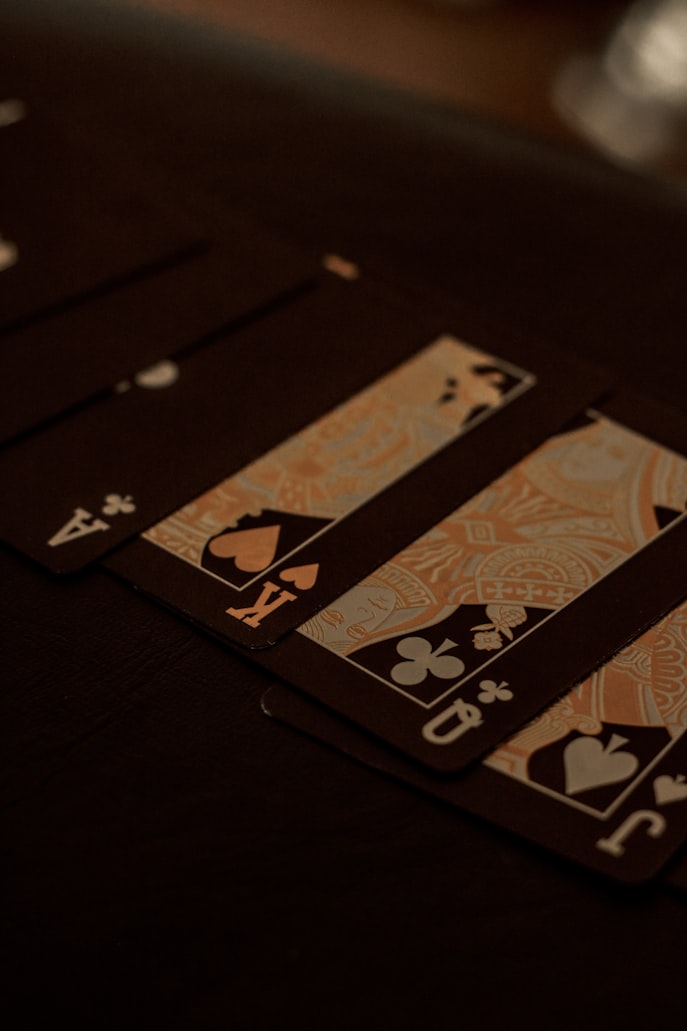
To effectively bluff, players need to read their opponents and recognize patterns in their gameplay. For instance, if a player tends to fold to large bets, this might signal an opportunity to execute a bluff. Conversely, if an opponent frequently calls bets regardless of their hand, bluffing them might not yield positive results. Ultimately, mastering this art involves conducting a psychological battle, where players must balance risk with reward and make calculated decisions based on their opponents’ behaviors.
Moreover, it’s essential to consider the position at the table when deciding to bluff. Position refers to where a player sits in relation to the dealer, which significantly affects the strategy. Being in a late position can provide valuable information about opponents’ actions during a hand, enhancing a player’s ability to bluff effectively. In contrast, bluffing from an early position might be riskier, as players have less information about their opponents’ hands and betting patterns.
Types of Bluffs
There are several types of bluffs that players can employ, each suited for different situations during a game. The most common is the “pure bluff,” where a player has little to no chance of having the best hand but still bets aggressively. This type of bluff works best in scenarios where an opponent is likely to fold if they believe their hand isn’t strong enough to compete. The effectiveness of a pure bluff largely hinges on the confidence with which it is executed.
Another strategic bluff is known as the “semi-bluff,” in which a player bets or raises with a hand that has the potential to improve. For example, if a player has a flush draw, they can bluff their opponents by raising, as they still have a chance of completing their hand. This approach not only pressures opponents to fold but also keeps the possibility of winning the pot open, even if the bluff is called. Understanding when to employ these types of bluffs is crucial for developing a versatile playing style.
In addition, the “value bluff” involves making a bet when you genuinely believe you have the best hand, but the community cards may suggest otherwise. This subtle form of bluffing is often used to extract more chips from opponents willing to call with weaker hands. By recognizing the nuances of different bluffing strategies, players can choose the most appropriate tactic based on the dynamics of the game and their opponents’ characteristics.
Recognizing When to Bluff
Knowing the right moments to initiate a bluff is key to mastering poker. One critical indicator is the texture of the board, which refers to the community cards visible to all players. If the board presents a favorable situation for high hands, such as a series of connected cards or potential flushes, opponents might be more cautious. In this scenario, a well-timed bluff can convince them to fold even strong hands, allowing the bluffer to take the pot uncontested.
Moreover, game dynamics play a significant role in determining the success of a bluff. If players at the table are cautious and tend to fold easily, this environment can be advantageous for bluffing. Conversely, in a table filled with aggressive players who frequently chase hands, bluffing may be less effective. Developing the ability to assess these dynamics requires experience and observation, making it imperative for players to be attentive to their surroundings during games.
Lastly, a player’s image at the table can greatly impact the efficacy of their bluffs. If a player is perceived as tight, meaning they only bet when they have strong hands, their bluffs may carry more weight. However, if they are known for frequently bluffing, opponents may be less inclined to fold against them. Maintaining a balanced approach to gameplay can help create the ideal persona, making it easier to successfully execute bluffs when the moment arises.
Psychological Aspects of Bluffing
Bluffing in poker is as much about psychology as it is about card strategy. The ability to read the emotional state of opponents can greatly enhance a player’s chances of successful bluffing. Emotions such as fear, excitement, and frustration can lead to predictable reactions. For instance, an opponent who seems nervous or uneasy might be holding a weak hand, presenting an opportunity for a well-timed bluff. Developing this skill takes time and experience, but it can prove invaluable in high-stakes situations.
Furthermore, it’s essential for players to manage their own emotions while bluffing. Successful bluffing often requires a calm demeanor, as any signs of anxiety or hesitation can betray the bluff. Players must practice maintaining composure and deploying body language that conveys confidence, regardless of their actual hand. This self-control can be cultivated through experience and mindful practice during gameplay.
Additionally, bluffing can create a psychological edge by keeping opponents guessing. By mixing up play styles and incorporating strategic bluffs, players can build an unpredictable image that makes it difficult for others to accurately assess their hands. This ambiguity not only enhances the chances of successful bluffs but also creates a more dynamic and engaging game, where opponents are constantly weighing their options and second-guessing their decisions.
Resources for Improving Bluffing Skills
To excel in the art of bluffing, players can seek resources that offer insights and strategies tailored to enhancing their skills. Books written by professional poker players often provide valuable information on the intricacies of bluffing, including tips on recognizing opponents’ tells and understanding betting patterns. These resources can serve as a foundation for developing a comprehensive bluffing strategy tailored to individual playing styles.
Online forums and poker communities also serve as excellent platforms for exchanging ideas and discussing experiences. Engaging with fellow players can provide unique perspectives on bluffing techniques and strategies, allowing individuals to learn from the successes and failures of others. This collaborative approach can help refine bluffing skills and build a deeper understanding of the psychological aspects of the game.
Lastly, playing at various poker tables, whether in live games or online platforms, can help players experiment with different bluffing techniques. Each table presents unique challenges and opportunities, allowing individuals to test their strategies in diverse circumstances. Combining practice with theoretical knowledge can significantly enhance overall performance, making players more proficient in the art of bluffing.

Recent Comments